Olmsted Park
Birdwatch. Learn. Reflect.

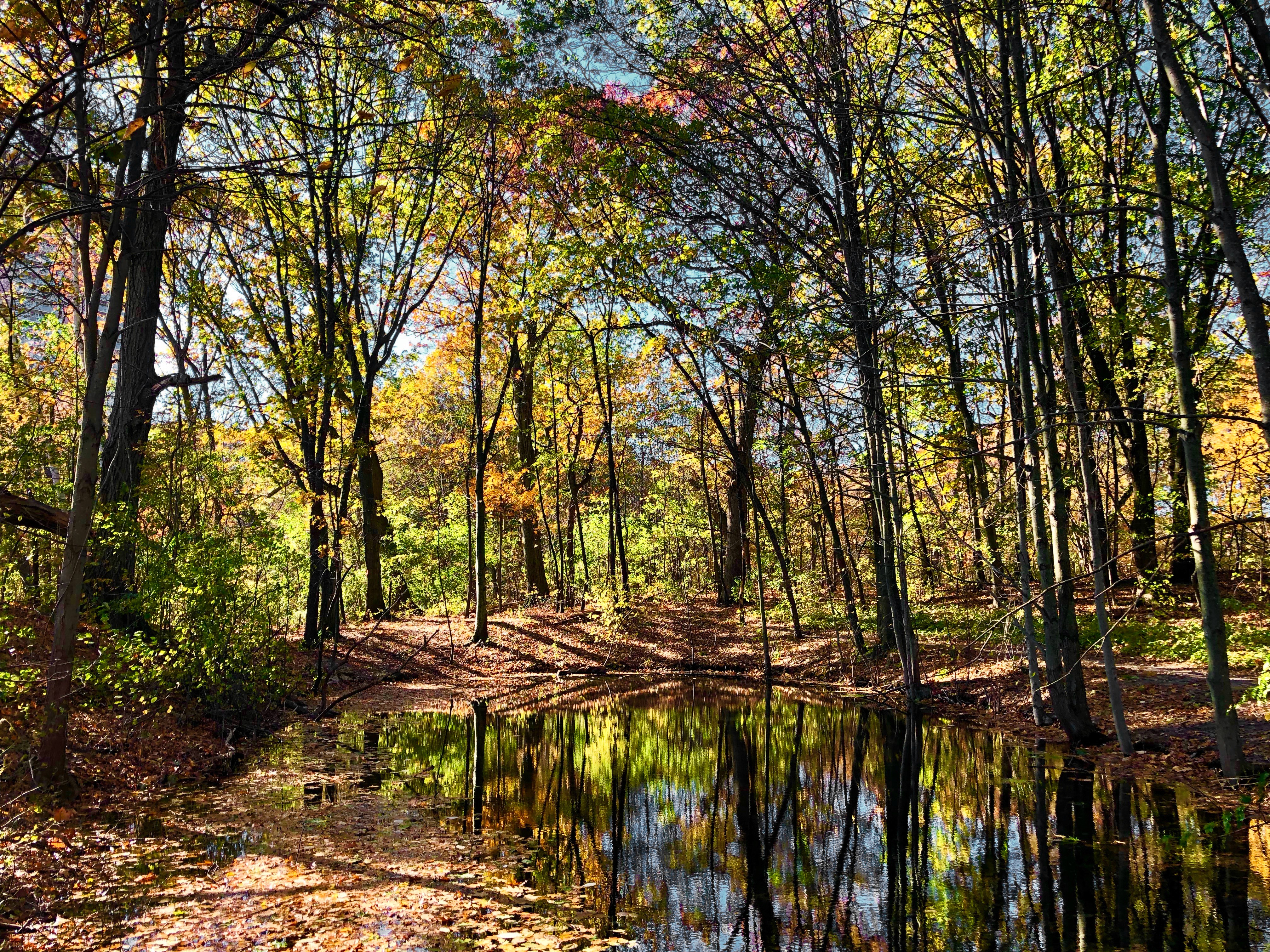
Experience the variety of Olmsted Park, where sweeping vistas of fields and wide-open water views contrast with a bucolic babbling brook, dense woodlands, and secluded ponds.
Designed as “a chain of picturesque fresh-water ponds, alternating with attractive natural groves and meads," Olmsted Park packs a diverse array of landscapes and historic amenities into 64 acres, divided between Boston and neighboring Brookline. The park includes four major bodies of water—from largest to smallest, Leverett, Wards, Willow, and Spring Ponds—alongside the Necklace's deepest woodlands, buzzing meadows, and the head of the Muddy River, which is referred to as the "Babbling Brook" in this portion of the Emerald Necklace. Olmsted's design preferences shine in this namesake park. Curving pathways, low-profile bridges, and diverse plantings frame a series of vignettes and scene changes along the way. To help draw wildlife, Olmsted built three islands in Leverett Pond to provide shelter and seclusion for nesting birds. Other amenities, including a trail network, baseball fields, and a scenic overlook, provide opportunities for active and passive recreation parkwide.



Things to do
Leverett Pond's shoreline hosts many waterfowl species, including swans and black-crowned night herons, making it the region's premier birdwatching space. Take a pondside jog, or stumble across a hidden forest path.


Our Favorite Spots


Did you know?
Olmsted's initial designs for the park included about a dozen "Natural History Pools," which were intended to house freshwater creatures for public viewing—including a hippopotamus! The cost of maintaining the pools and challenging negotiations with the City of Boston scuttled the plans, and most of the pools were filled in.

park partners
Our community of partners is out to build a more vibrant, lush Olmsted Park. Like a thriving forest, we grow stronger together.